2026-10-10 · Rick Harlan
How to Spot Hidden Water Damage in Fort Lauderdale Luxury Homes
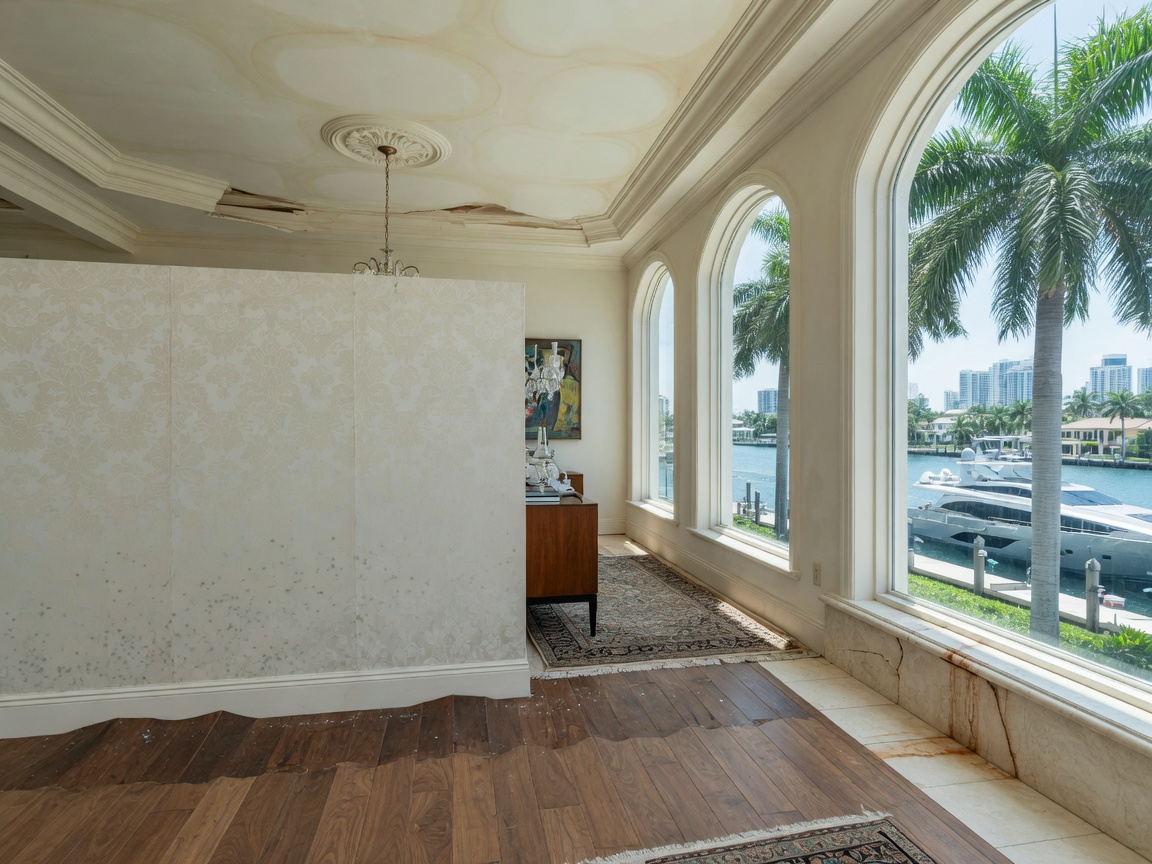
Hidden water damage in Fort Lauderdale luxury homes often shows up first as subtle discoloration or musty odors before spreading to structural elements. In areas like Las Olas Isles and Victoria Park, where many homes date back decades with canal access, moisture from wet summers can seep into older plaster or wood framing without visible puddles. Homeowners should start by scanning ceilings for faint yellow stains and pressing on baseboards for softness, as these indicate trapped moisture from heavy rains or minor leaks that the dry winters fail to fully evaporate.
Checking Walls and Ceilings for Moisture
In Fort Lauderdale's luxury homes, walls and ceilings trap moisture from the tropical monsoon climate, especially during wet summers when rainfall exceeds 60 inches annually in Broward County. Run your hand along drywall in rooms facing Las Olas Boulevard or near the Stranahan House to feel for cool spots or slight buckling that signals seepage behind the surface. Pay attention to areas around windows in Rio Vista or Tarpon River properties, where older stucco exteriors allow wind-driven rain to penetrate without leaving exterior marks. Use a moisture meter on multiple spots at different heights, noting readings above 15 percent as a red flag for hidden saturation. Discoloration near crown molding often points to roof or HVAC condensation issues that worsen in humid conditions. These checks help catch problems before mold sets in on insulation, which can affect indoor air quality in tightly sealed luxury builds. Early detection prevents the need for extensive demolition in historic details found in Victoria Park homes.
Inspecting Flooring and Subfloors
Luxury homes in Coral Ridge and Downtown Fort Lauderdale frequently feature hardwood floors over concrete slabs or crawl spaces that hide water intrusion from canal flooding or heavy downpours. Walk across rooms and listen for creaks or feel for sponginess, particularly near exterior doors in Las Olas Isles where elevation changes allow water to pool under thresholds. Lift a corner of area rugs in Tarpon River properties to check for darkened wood edges or warped planks, signs that moisture has wicked up from below during the wet season. Subfloor swelling often occurs in homes built before modern vapor barriers, common in Broward County waterfront builds. Check under kitchen islands or bathroom vanities for cupping boards, as these spots see repeated exposure from minor appliance leaks amplified by high humidity. Consistent monitoring during dry winters reveals changes that wet summers accelerate, helping owners address issues before they reach load-bearing joists.
Accounting for Local Climate and HVAC Factors
Fort Lauderdale's wet summers and dry winters create cycles where moisture enters luxury homes through roof vents or AC condensate lines and lingers in attics or wall cavities. In neighborhoods like Rio Vista near the Museum of Discovery and Science, older HVAC systems in multi-story homes can drip unnoticed into ceilings when coils freeze during humid peaks. Examine attic insulation for clumps or dark patches, which indicate roof leaks from monsoon storms that do not always reach living spaces immediately. Homes near Fort Lauderdale Beach or Bonnet House face added salt air corrosion on metal components, speeding hidden rust in ductwork. Track humidity levels above 60 percent indoors, as this environment allows slow evaporation that masks damage until odors emerge. These patterns differ from inland areas like Oakland Park, where flooding moves faster through soil but leaves different residue patterns in luxury builds.
When Professional Assessment Becomes Necessary
If basic checks reveal consistent moisture readings or persistent odors in Fort Lauderdale luxury homes, contact specialists for thermal imaging scans that map hidden saturation without invasive cuts. Properties in Victoria Park or Coral Ridge often require targeted drying in layered construction to avoid damaging original millwork. Structural drying addresses trapped water in subfloors that DIY methods miss, while mold remediation follows when humidity cycles promote growth. Review related guidance on seasonal impacts in Fort Lauderdale luxury home water damage after hurricane season or cost variables in waterfront settings via what affects water damage repair costs in Fort Lauderdale waterfront homes. Teams available 24/7 can assess specific risks tied to canal proximity in Las Olas Isles before small issues expand across multiple rooms.